

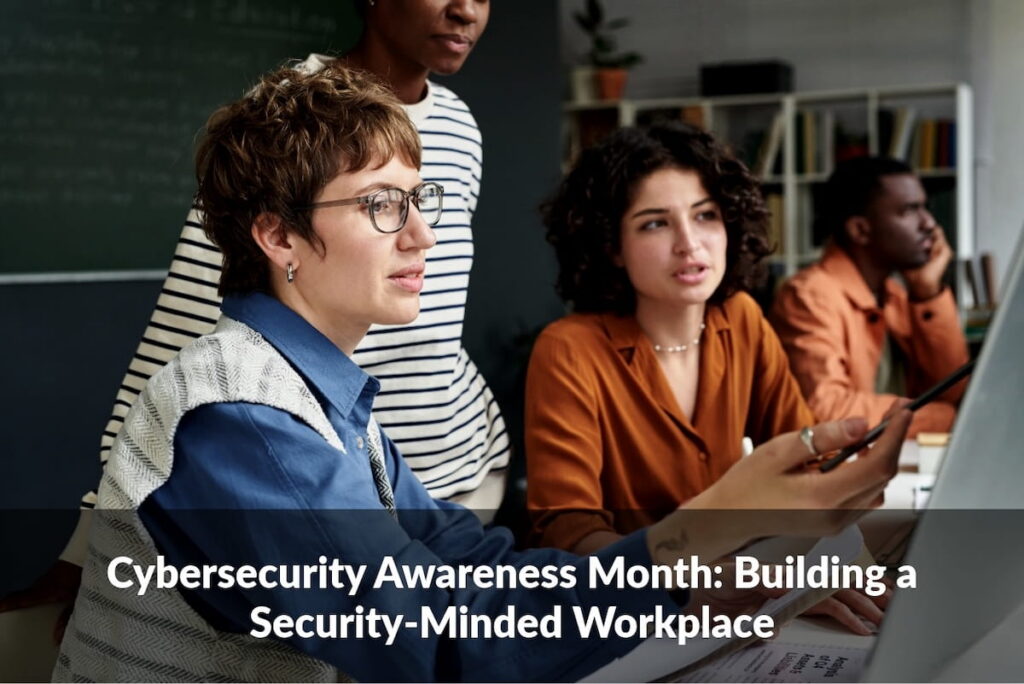
When you think about cybersecurity awareness and protecting your business from cyber threats, what comes to mind first? Firewalls? Antivirus software? Your IT department?
While technology plays an important role in cybersecurity, there’s another part of the equation that’s just as important: your people.
Every day, employees make decisions that can affect your organization’s cybersecurity. They open emails, access company systems, share information, download files, and communicate with customers and coworkers. Most of these activities are routine, but even an ordinary workday can present opportunities for cybercriminals.
October is Cybersecurity Awareness Month, making it a great time to think about how your organization approaches cybersecurity beyond its technology. Because building a security-minded workplace isn’t about turning every employee into an IT professional. It’s about creating an environment where people understand common risks, recognize potential warning signs, and know what to do when something doesn’t seem right.
Why Cybersecurity Awareness Matters for Every Business
Cyber threats aren’t limited to large corporations or organizations with complicated technology environments. Businesses of all sizes rely on digital systems, sensitive information, and connected devices to keep their operations moving. And while cybersecurity tools can help identify and block suspicious activity, employees still interact with potential threats every day.
Consider a phishing email that appears to come from a familiar vendor, an unexpected request to update payment information, or a message urging someone to reset their password immediately. These situations can look legitimate, especially when employees are busy and trying to keep up with their responsibilities.
That’s why cybersecurity awareness should be part of your organization’s everyday operations rather than something discussed once a year. When employees understand what to watch for and feel comfortable asking questions, they’re more likely to recognize suspicious activity and report it before the situation escalates.
Start With Simple, Everyday Cybersecurity Habits
Building a security-minded workplace doesn’t have to begin with complicated policies or extensive technical training. Often, the most practical place to start is by reinforcing a few everyday habits.
Encourage employees to:
- Use strong, unique passwords. Reusing passwords across multiple accounts can increase the impact of a compromised login.
- Enable multi-factor authentication (MFA). Requiring an additional verification step can make unauthorized account access more difficult.
- Think before clicking. Unexpected links, attachments, and urgent requests deserve a closer look.
- Keep software and devices updated. Updates frequently address vulnerabilities that attackers may try to exploit.
- Report suspicious activity promptly. Employees should know who to contact if they notice something unusual.
These actions might seem small, but they’re important pieces of a broader cybersecurity strategy.
The key is consistency. Rather than treating cybersecurity as an occasional reminder, businesses should encourage these habits as part of the normal workday.
Create a Workplace Where Employees Feel Comfortable Speaking Up
One of the most overlooked aspects of cybersecurity awareness is communication.
Imagine an employee accidentally clicks a suspicious link. They realize something might be wrong, but they’re embarrassed or worried they’ll get in trouble. Instead of reporting it immediately, they decide to wait and see what happens. That hesitation can make a difficult situation more complicated.
Employees should understand that reporting a potential cybersecurity incident is always preferable to staying silent. Even when someone makes a mistake, identifying the issue quickly gives the organization an opportunity to investigate and respond.
Business leaders can support this by creating clear reporting procedures and encouraging open conversations about cybersecurity. Make sure employees know whom to contact, what information to share, and what steps to avoid taking on their own. Most importantly, reinforce that asking questions and reporting concerns are responsible actions, not reasons for embarrassment.
Make Cybersecurity Awareness an Ongoing Conversation
An annual cybersecurity training session can be useful, but awareness shouldn’t end when the presentation does. Cyber threats change, new employees join the organization, and the technology businesses rely on continues to evolve. Keeping cybersecurity top of mind requires ongoing attention.
That doesn’t mean employees need lengthy training sessions every month. Short reminders, practical examples, and occasional team discussions can be effective ways to reinforce important information.
For example, businesses might share a recent phishing example, review how to identify suspicious links, or walk employees through the process for reporting a compromised account. It’s also worth considering how cybersecurity applies to different roles. An employee handling invoices may encounter different risks than someone managing customer information or working remotely. Making training relevant to employees’ actual responsibilities can help them understand why cybersecurity matters to their daily work.
Leadership Plays an Important Role in Cybersecurity Awareness
A security-minded workplace starts with the example leadership sets. When business owners and managers take cybersecurity seriously, follow established procedures, and encourage employees to do the same, it helps reinforce the importance of those practices throughout the organization.
Leadership should also recognize that cybersecurity isn’t solely an IT issue. It involves business operations, employee behavior, communication, and planning. That includes reviewing who has access to sensitive information, evaluating how new employees are onboarded, considering the risks associated with outside vendors, and making sure the organization has a plan for responding to potential incidents.
RJG Consulting Group works with businesses to look at these challenges as part of their broader technology environment, helping connect cybersecurity considerations with the systems, processes, and goals that support day-to-day operations.
Building a Security-Minded Workplace Takes More Than Technology
Cybersecurity Awareness Month is a useful reminder to review your organization’s habits, but the goal should extend well beyond October. A security-minded workplace is one where employees understand common threats, know how to respond to suspicious activity, and recognize that protecting business information is a shared responsibility.
Technology, training, communication, and proactive planning all have a role to play. When these pieces work together, businesses can develop a more thoughtful approach to managing cybersecurity risks.
Want to take a closer look at your organization’s cybersecurity approach? RJG Consulting Group can help you evaluate your current technology environment, identify areas that may need attention, and explore practical ways to support your business. Reach out to our team to learn more or schedule an initial conversation.
